Blog Author: Judy Flattery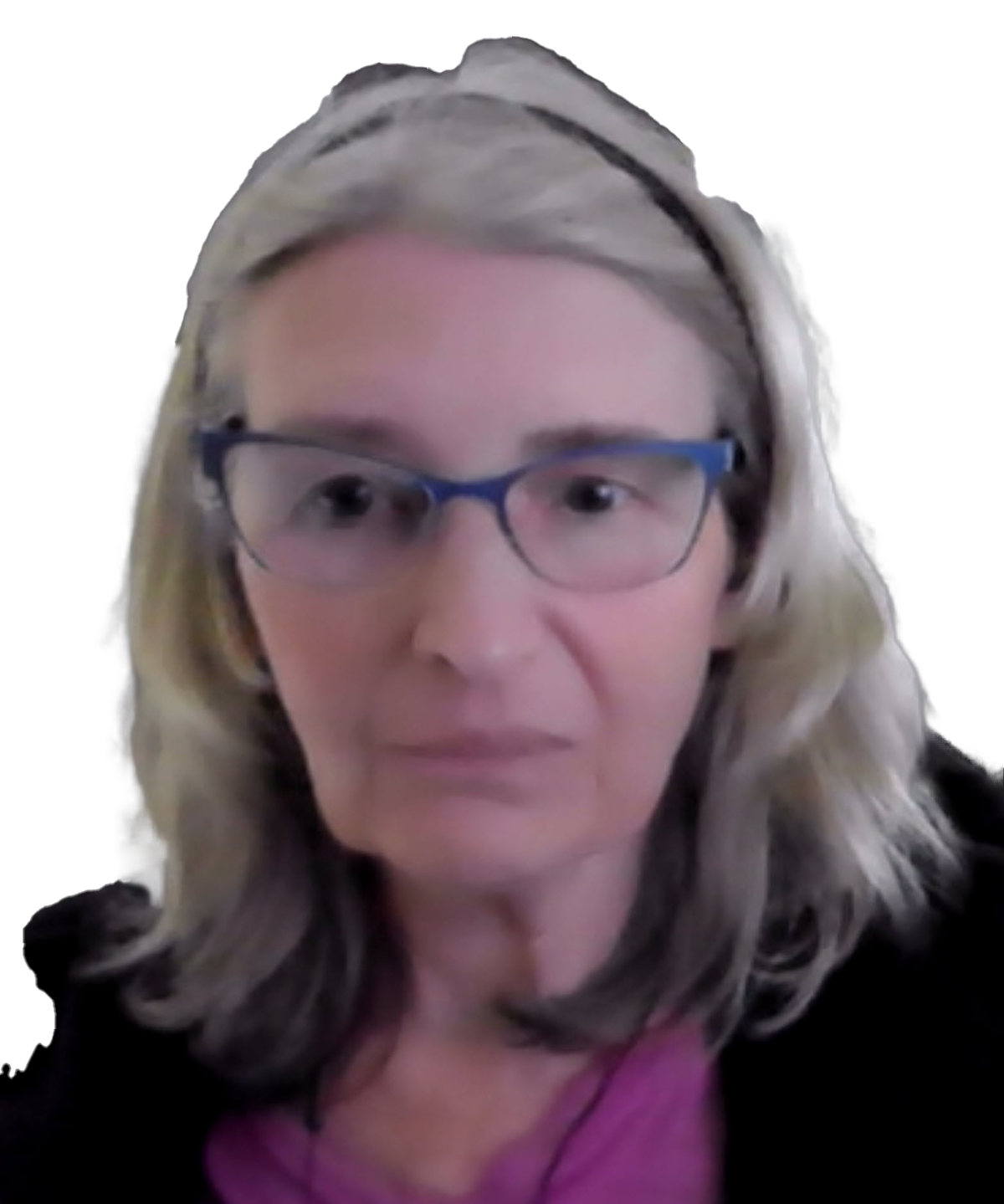
An Evening with Abe Bonowitz: Rethinking the Death Penalty
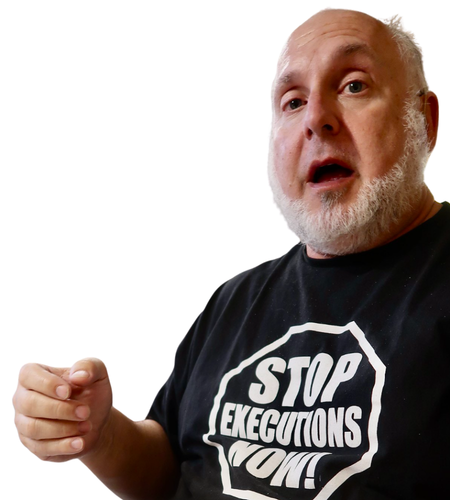
A few months ago, I hosted a small gathering at my home for Abe Bonowitz, co-founder of Death Penalty Action, along and one of his dedicated volunteers. We were introduced through a mutual contact, and what followed was an eye-opening evening of conversation, information, and personal story. Death Penalty Action works to stop executions and abolish the death penalty through advocacy, education, and action.
This intimate dinner offered a rare opportunity to hear firsthand how someone comes to devote their life to a cause as complex—and controversial—as the abolition of the death penalty. I then invited Abe to be P2P's featured speaker for the May 2026 Community Gathering.
What makes Abe’s story particularly compelling is that he didn’t always hold the views he advocates today. In fact, he once strongly supported capital punishment. But as he began researching and building arguments to defend that position, the evidence led him in the opposite direction. Unable to reconcile the facts with his former beliefs, he changed course—spending the last 35 years working to end the death penalty in the United States.
Throughout the evening, Abe shared data that challenges many common assumptions. For example, only about half of murder cases in the U.S. are solved and go to trial. Of those, only around 2% involve a pursuit of the death penalty; and even within that small fraction, death sentences are issued in only about 10% of cases—more than half of which are later overturned, and it's a very expensive and lengthy process. Why go through all of this? To what end? Is the death penalty a deterrent? No. Does it provide closure for the survivors? Not really. Survivors are often left with so many questions and a lingering sense of incompletion;
Abe pointed out a striking geographic disparity: just 2% of counties in the United States account for more than half of the country’s death row population. The reason, he explained, is largely financial. Death penalty cases are extraordinarily expensive to prosecute, meaning only well-resourced jurisdictions can pursue them.
The conversation also touched on the constitutional arguments surrounding capital punishment. While the Eighth Amendment prohibits “cruel and unusual punishment,” Abe noted that most legal challenges today focus nor on the word "cruel" but on the “unusual” aspect—highlighting how rarely and inconsistently the death penalty is applied, rather than arguing solely on moral grounds.
We learned that more than 200 individuals sentenced to death in the U.S. since 1973 have later been exonerated. Some analyses suggest that as many as 4% of those sentenced to death may ultimately prove to be innocent—a sobering statistic with profound implications.
Abe also described the current landscape: as of early 2026, 23 states plus Washington, D.C., have abolished the death penalty, while several others maintain a moratoria. At the same time, execution methods continue to evolve and remain controversial, ranging from lethal injection to electrocution, nitrogen asphyxiation, and even firing squads.
If the point of the criminal legal system is to protect the public by apprehending and incarcerating the people who do others harm; and then those people are apprehended and incarcerated, what then is the point of execution? Particularly if there are flaws and inconsistencies in the process?
One of the most moving aspects of Abe’s work is the organization’s practice of hosting live virtual vigils during executions. These gatherings allow people across the country to witness, reflect, and bear moral witness—sometimes with volunteers present at prison sites, sharing real-time updates.
Beyond the data and advocacy, Abe described himself as “spiritual but not religious” and emphasized the importance of building bridges across communities—working with both faith-based and secular groups in pursuit of a common goal.
The evening left a lasting impression. It wasn’t just about statistics or policy—it was about transformation, human fallibility, and the possibility of change. Hosting Abe in such a personal setting reminded me how powerful direct conversation can be in deepening our understanding of difficult issues.
We look forward to continuing the dialogue he helped spark. Abe Bonowitz will be speaking to the Humanist Society of Santa Barbara on Saturday July 18, 2026 at 3pm Pacific. All are welcome to join the Zoom presentation at https://us02web.zoom.us/j/88193881833.
Sign up for updates on Death Penalty Action activities at their website, deathpenaltyaction.org
